
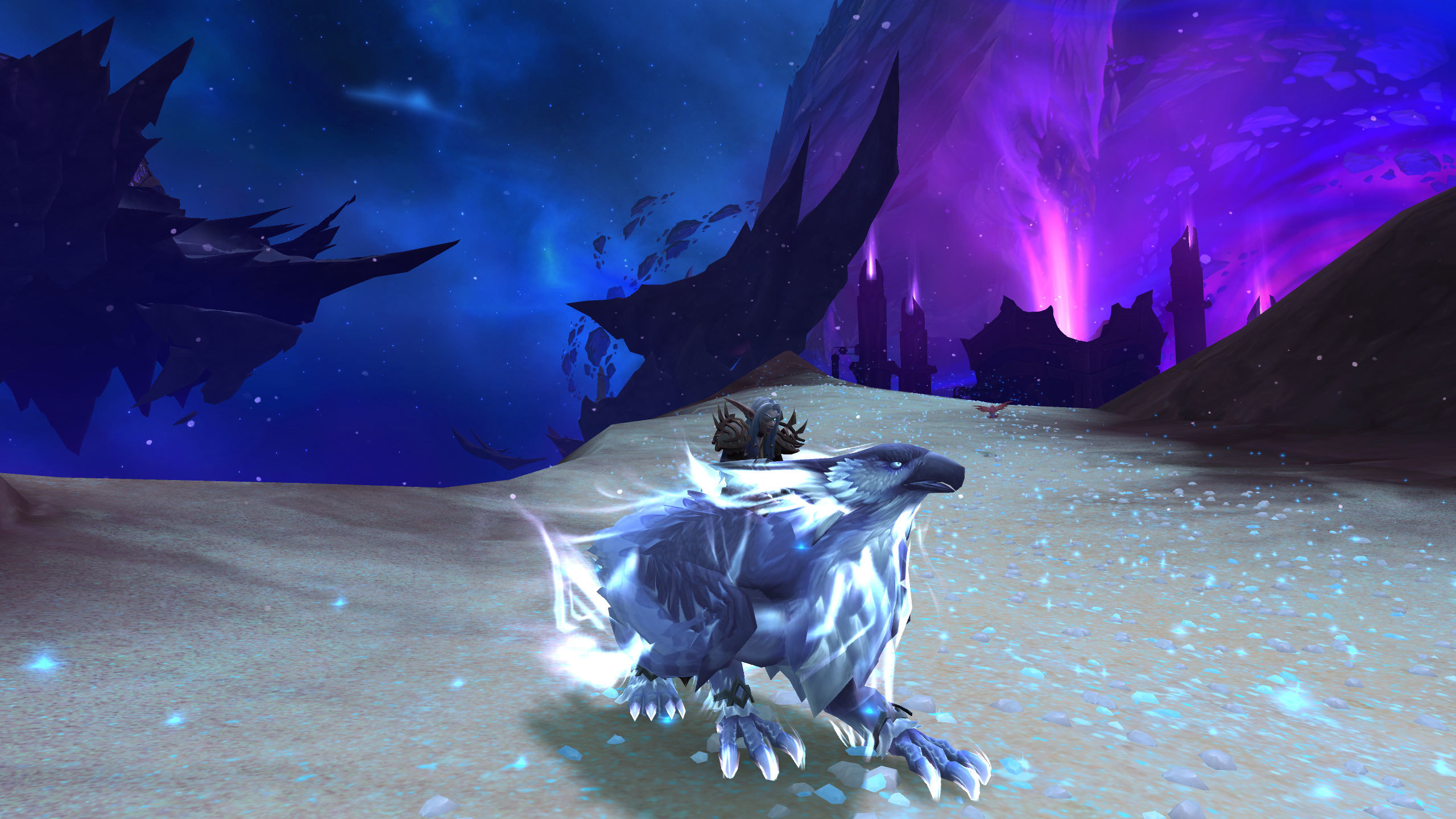
The Void is more than a source of corruption or madness—it is a philosophy. Its power lies not only in destruction but in its worldview, which challenges the foundations of existence. The Void does not simply want to consume the universe; it seeks to reshape truth itself. Its whispers exploit doubt, possibility, and the inherent uncertainty woven into reality. This makes the Void one of the most complex and intellectually unsettling threats the world has ever faced.
This article explores why the Void’s philosophy is so dangerous, how it influences mortals, and why its ideas are more frightening than any physical invasion.
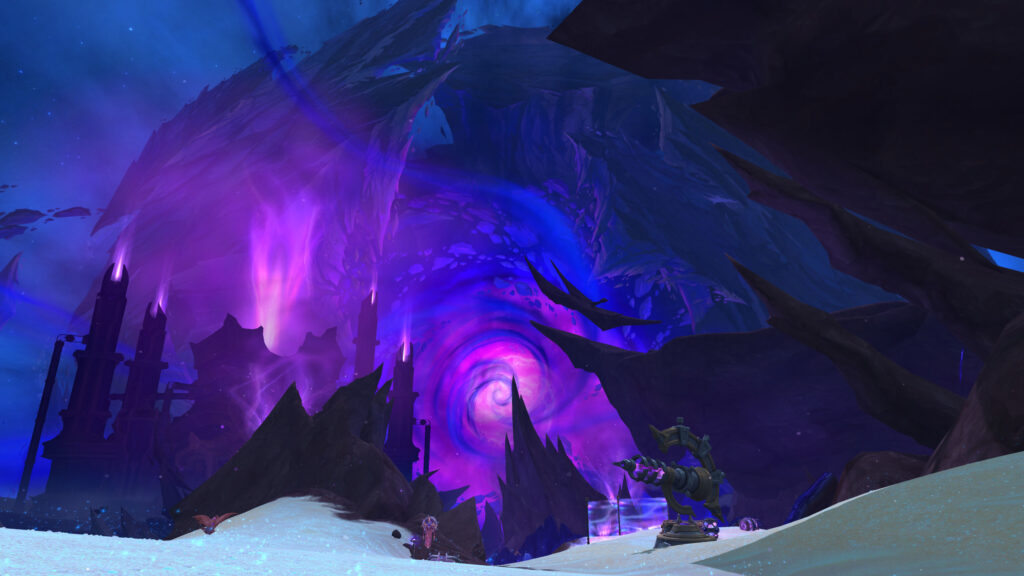
The Void Thrives on Infinite Possibility
Unlike the elements, the Light, or the Titans, the Void does not rely on structure. It thrives on possibility—every choice, every doubt, every alternative path that might have been. It offers individuals visions of futures shaped by fear or desire, twisting uncertainty into instability. This makes the Void difficult to combat, because reality itself becomes questionable.
The Void attacks by opening doors, not closing them.
Whispers That Target the Mind
The Void’s primary weapon is not force—it is influence. Its whispers do not need to overpower; they only need to nudge. The Void plants seeds of doubt that grow within the mind, altering perception until truth feels malleable. This makes mortals vulnerable to their own thoughts, turning internal conflict into external corruption.
To illustrate the nature of Void influence, here is a simple comparison:
| Force Type | Method | Main Vulnerability |
|---|---|---|
| Light | Guidance through clarity | Rigid certainty |
| Fel | Power through consumption | Self-destruction |
| Void | Influence through doubt | Open minds and unstable truths |
Philosophy That Undermines Reality
The Void’s most troubling idea is that truth is fluid. It does not deny the existence of reality—it denies its stability. The Void implies that every truth is just one version of countless possible truths. This worldview erodes faith, certainty, and unity, encouraging individuals to question their purpose, memories, and loyalties. A world built on doubt cannot stand for long.
The Void threatens not by breaking the world, but by breaking belief.
The Seductive Nature of Forbidden Knowledge
The Void does not always tempt through fear; sometimes it tempts through curiosity. It offers answers to unasked questions and glimpses of hidden truths. Mortals who seek understanding often fall prey to its allure—not because they crave destruction, but because they crave meaning. The Void twists this pursuit into its own shape, weaponizing curiosity against its wielder.
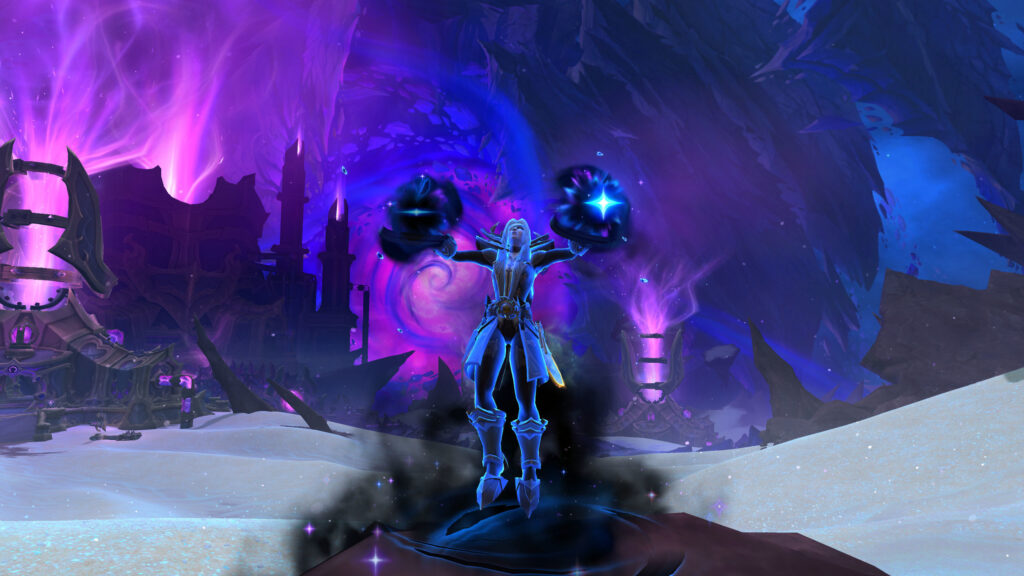
Knowledge becomes a labyrinth without an exit.
Why the Void Outshines Other Threats in Complexity
The Void’s power comes from its philosophical depth. It manipulates time, truth, identity, and perception. It asks questions mortals are not prepared to answer. Other cosmic forces seek dominance; the Void seeks redefinition. It is not just a danger to life—it is a danger to meaning itself. In a world built on belief, destiny, and story, the Void unravels the threads that hold everything together.

The Void is terrifying because it makes sense.
Conclusion
The Void presents the most complex threat in lore because it attacks not with armies, but with ideas. Its philosophy erodes certainty, reshapes reality, and exploits the vulnerabilities of all sentient beings. Through whispers, visions, and infinite possibility, the Void challenges the foundation of existence itself—making it a danger that cannot be defeated by strength alone.
Leave a Reply